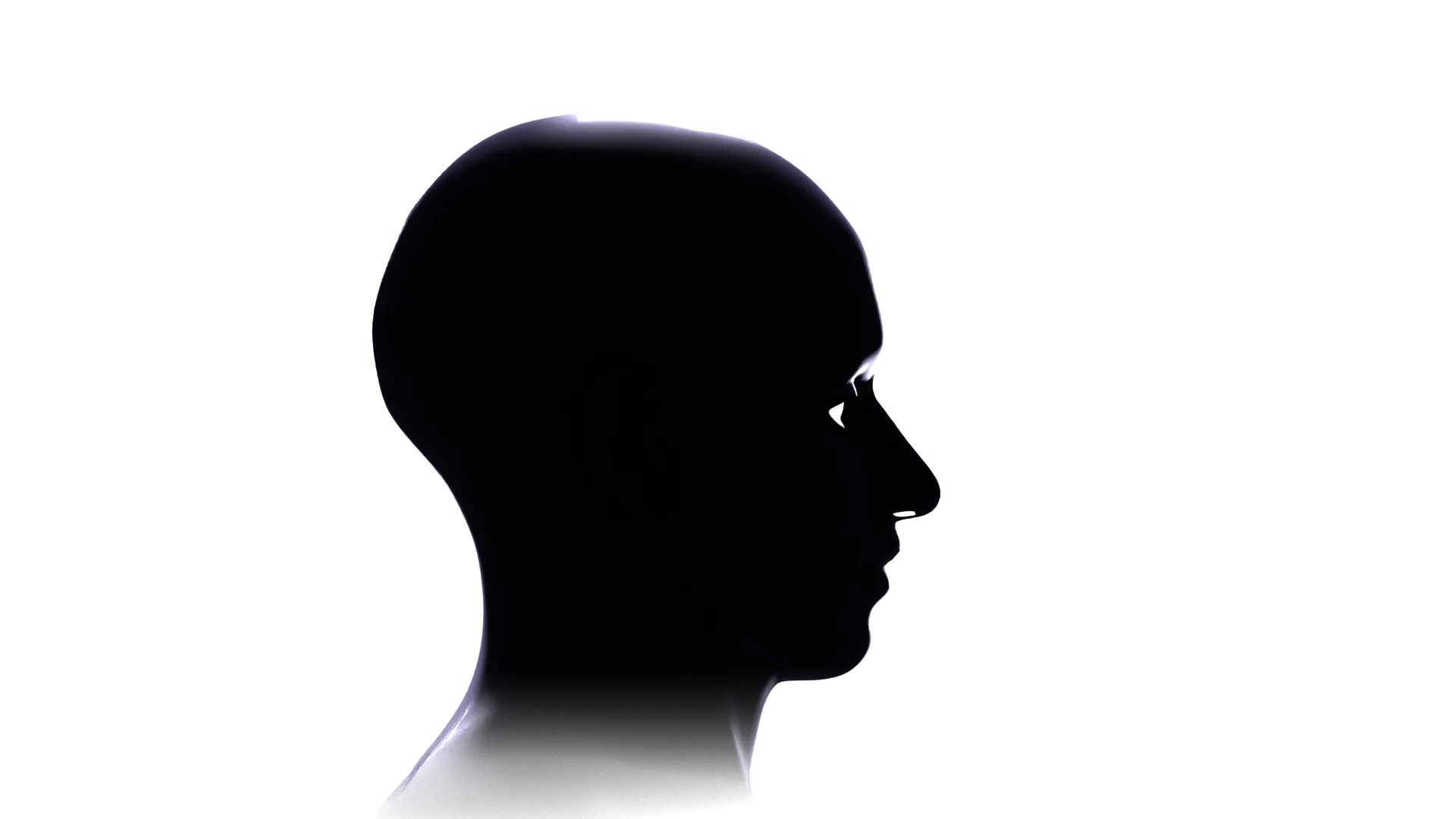

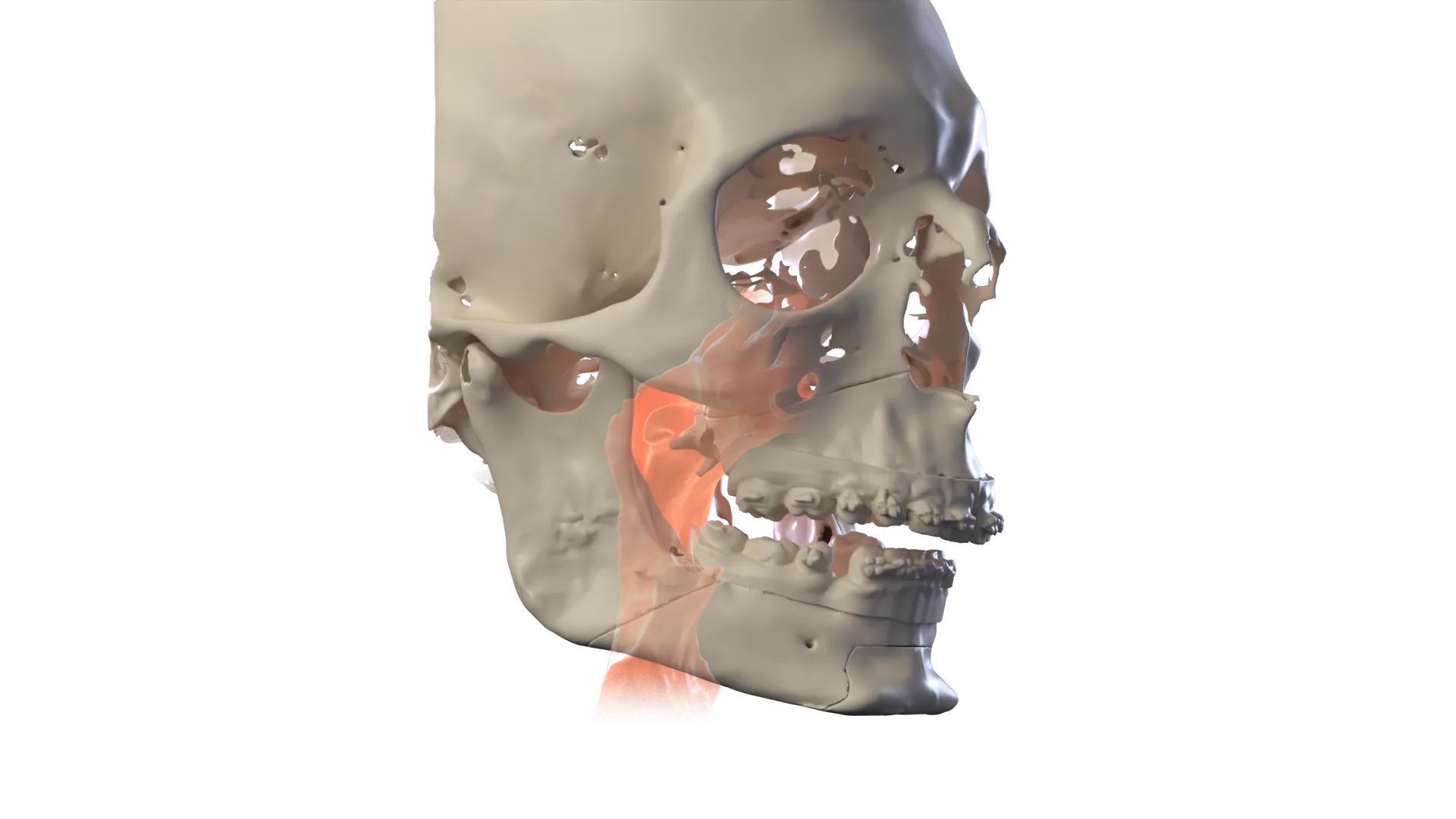
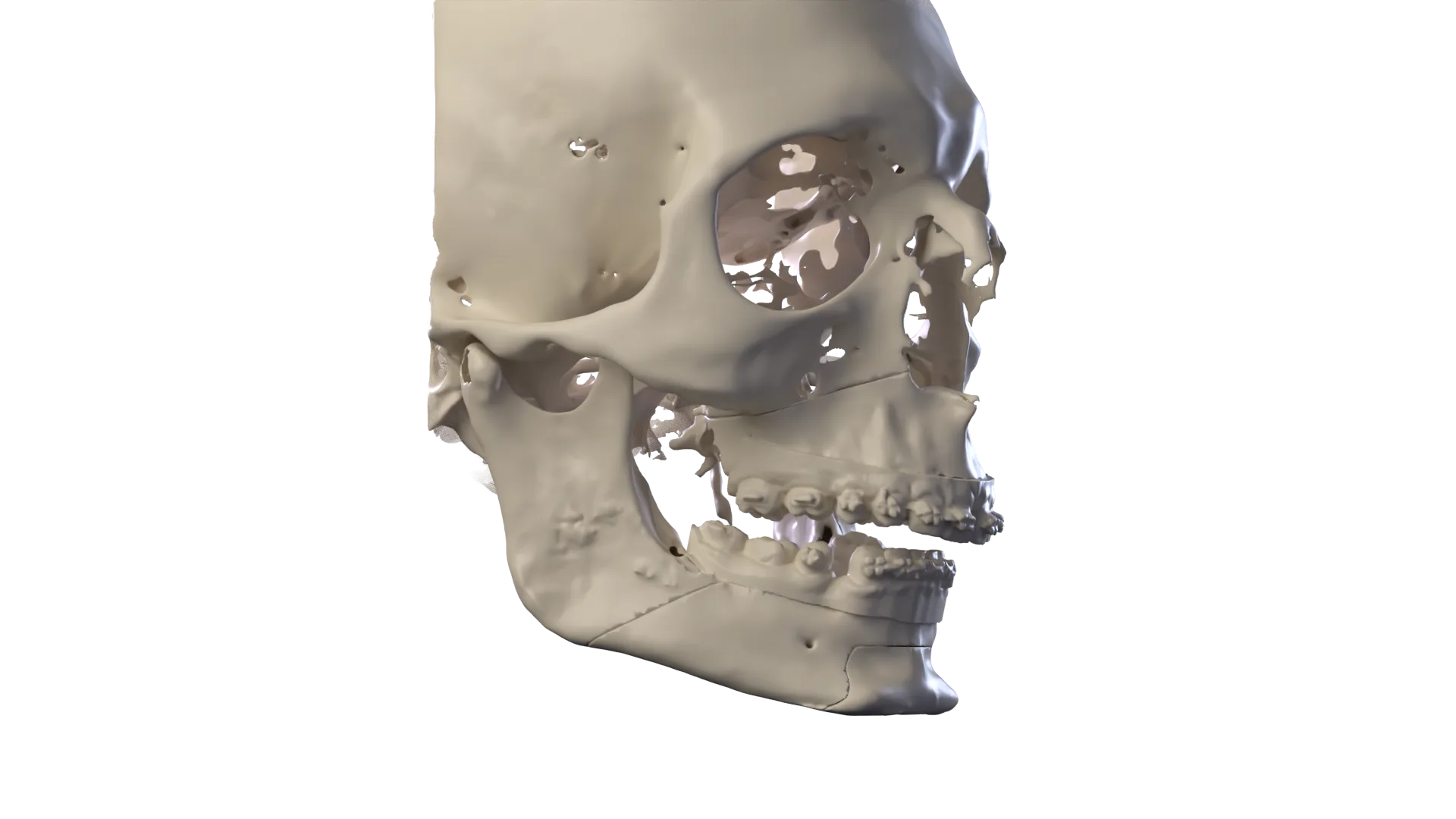
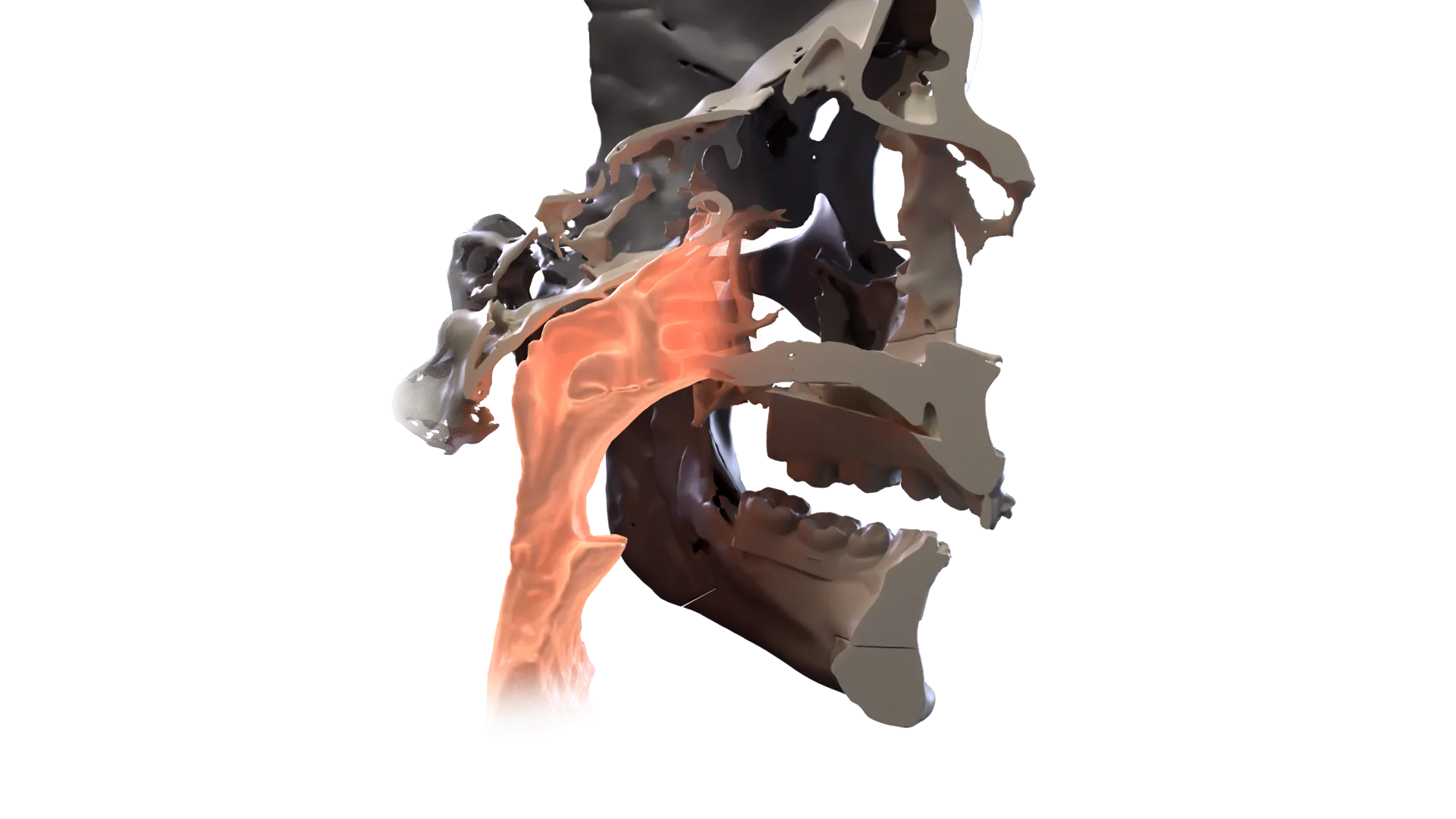
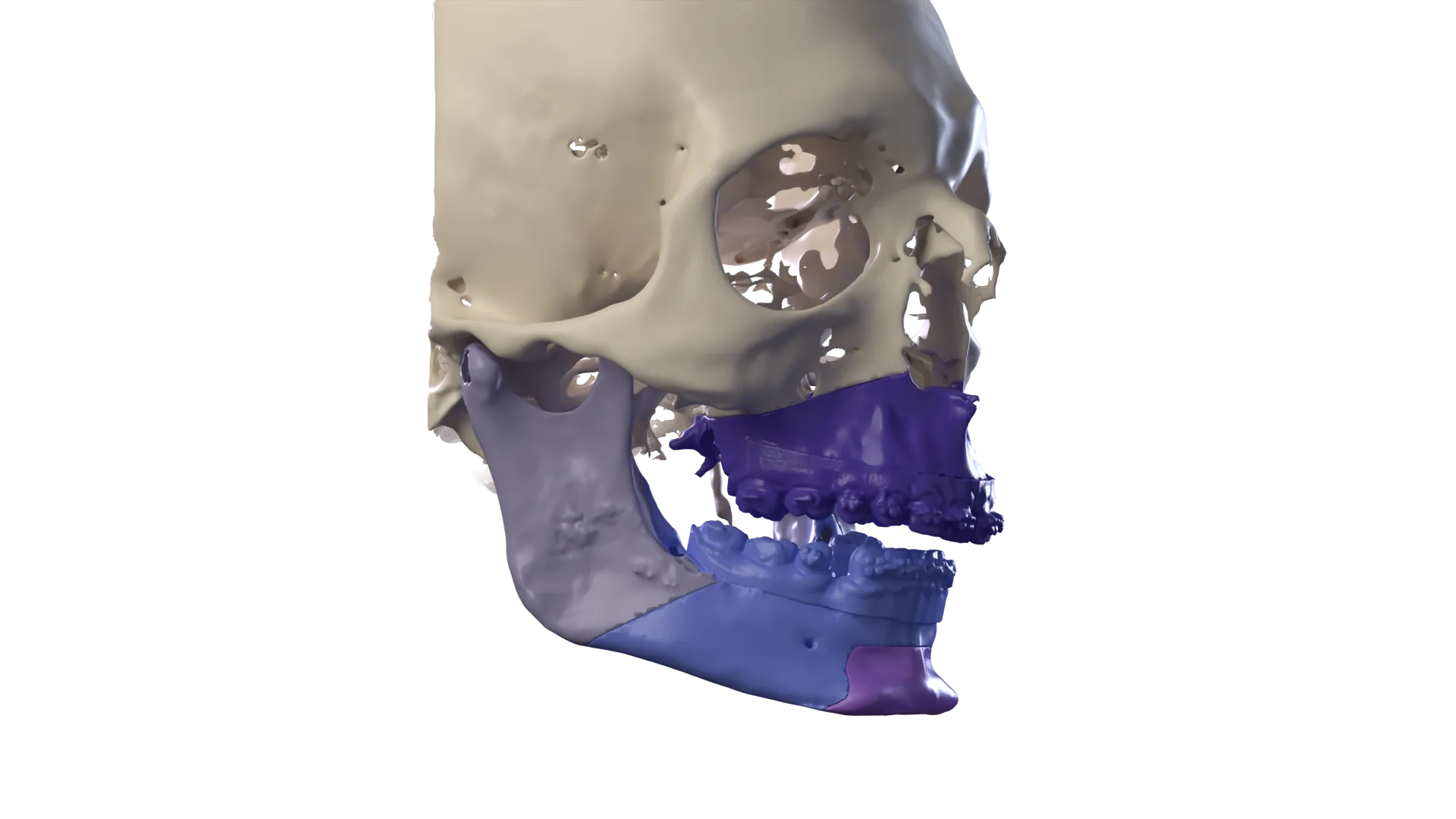
Some signs you feel, and others you see.
Often they're the same story, told by your face in two ways.
Do you recognize yourself in two or more?
Each topic tells a different way in which the face, the bite and breathing are connected.
 Class II faceOften it isn't the teeth. It's the base that holds them.
 Class III faceMore than a large chin, it's the relationship between the upper and lower jaw, and with it, the whole face.
 Bimaxillary retrusive faceThe teeth may fit well. In the details, the face tells another story.
 Long faceWhen the face grows too much downward, the lips, the smile and breathing all feel it.
 Short faceThe opposite pattern to the long face. And another way to find balance.Gummy smileOne smile, several possible origins. Often, the key lies in how the face grew.The chinThe chin brings order to your profile. It's best corrected by moving your own bone, looking at the whole face,Palatal expansionNot everything is forward or back, up or down. Sometimes, the face needs width.
 Asymmetric faceAn off-center chin, a different bite on each side, a joint that gets tired or locks: why facial asymmetry is sSleep apneaSnoring, pauses and waking up at night: how the structure of the face influences sleep apnea and what maxillom
To read at your own pace
Orthognathic surgery (jaw surgery) isn't decided by a single sign. What guides the decision is the whole picture: how you bite, how you breathe, how you rest, how you smile and how your face looks. Bone, muscles, teeth and joints develop and work as a whole; that's why what you feel and what you see often have the same origin. These are things that bother you or don't quite fit and, even though you learn to live with them, they can take away your peace of mind or confidence.
Signs you feel include a bite that doesn't fit together, not even when you force it; teeth that become crooked because they don't have room; snoring, pauses in breathing during sleep, waking up at night or sleep that doesn't leave you rested; tiredness or discomfort when chewing, or when keeping your mouth open for a long time; and difficulty pronouncing some sounds. When one side of the face grew differently from the other, one joint carries more load than the other and can get tired, hurt, lock or slip out of place.
Signs you see include a lower jaw that is small or poorly defined, or else a very large lower jaw; a face that looks long, very short or older before its time; one side that looks different from the other; and a smile that is tilted, narrow or shows a lot of gum.
What if your bite fits well? That doesn't rule it out: the teeth can settle into place over an upper jaw and a lower jaw that developed less than the face needs. We explain it in "What if my bite is fine?".
None of these signs is a diagnosis. They help you suspect something and come to the consultation with more information. The diagnosis is comprehensive: we talk about what you feel, what worries you and your history; we examine your face, your bite and your smile, and we add 3D scans. Depending on the case, other studies are added, such as a sleep study (polysomnography) or, when there is asymmetry, a bone scan (SPECT), which is one more piece of information within the whole picture.
There are options for both surgical and non-surgical cases. Sometimes orthodontics alone can provide basic function; other times, pushing it to its limit isn't ideal for your teeth and your joints. That conversation happens with your test results on the table, without rushing and with all options open.
If you relate to two or more of these signs, the next step is an evaluation. Soon you'll be able to answer some validated symptom questionnaires here, without your answers being saved; the result will be guidance, not a diagnosis.
The first step is a conversation.
Frequently asked questions
How do I know if I need orthognathic surgery or just orthodontics?
It depends on whether what's happening can be solved by moving the teeth, or whether the structure of the face also needs to be brought into a different position. Some bites don't come together well, not even by forcing the teeth. That's determined with a comprehensive diagnosis, including a clinical exam and 3D scans, and it's discussed with all options open. When there is surgery, orthodontics is still part of the plan: the teeth are the key that makes everything fit together and stay in place.
Is it worth getting checked if I have just one of these signs?
Yes, if it raises questions or bothers you. A single sign doesn't make a diagnosis, but an evaluation helps you understand what's going on and what options you have. Knowing early lets you plan calmly and choose the path that's best for you.
Can a bite problem affect how I breathe or sleep?
It can. Bite and breathing depend on the same structure: when the face grew with little space for the tongue and muscles, there's also less room left for air, and that can show up as snoring, waking up often or sleep that doesn't leave you rested. That's not always the case: sleep apnea is diagnosed with a sleep study (polysomnography) and other tests.
Is there a connection if my jaw gets tired or locks on one side?
There can be. When the face grows differently on each side, one joint carries more load than the other, and that can feel like fatigue, pain, or a jaw that locks or slips out of place. What's causing it in your case becomes clear in a complete evaluation.
Is there an upper age limit for surgery?
There's no set upper age limit. Surgery is done once the growth of the face and skull has stabilized and, from there, each case is assessed according to its diagnosis, general health and goals. What matters is having complete information to decide.
What tests do I need to know if this applies to me?
It starts with a conversation and a clinical exam of your face, your bite, your smile and your breathing. Then, depending on the case, additional tests are requested: a 3D scan (CBCT), an intraoral scan of your teeth and, sometimes, other studies, such as a sleep study (polysomnography) or, when there is asymmetry, a bone scan (SPECT), which adds one more piece of information. They're not requested just in case: they're requested when your case needs them. ---
Do you know someone who should read this?
Share it on WhatsApp or Instagram. It's information to help understand, not a diagnosis.